Compelled by the land of sahti, sauna, and the sea, I spent a month in Finland.
Finns are unique among Europeans. Universally down-to-earth, straightforward, fun, and pragmatic, even the most rooted of Finnish urbanites still carries forest-dweller DNA.

Although famously taciturn, Finns are not always quiet or withdrawn but rather, deliberate and respectful. My fascination with Finland began when I first moved to Canada and started watching hockey. Several of the players for the Vancouver Canucks were Finnish; several happened to be delightfully scrappy defensemen like Saku Koivu. I became enthralled with Finnish names and Finnish phonemes.
In the early 2000s, I started an international online forum for practitioners of Ashtanga yoga. One of the regular members happened to be a Finn, and from him I learned a little more about Finnish culture. He also happened to be a fan of Saku Koivu, a cancer survivor who was not just a star player on the Finnish national team but also one of the NHL’s top scoring defensemen.
Several years later, I met Josh and it so happened that he spent a semester abroad studying at a university in Jyvaskyla, a city in central Finland. And so Josh taught me even more about Finland and its culture, building my desire to visit.


What drew me in, besides the fact that I appreciate people who eschew small talk, was the fact that Finns are different. They’re Nordic but not Scandinavian; they’re Baltic but were not Soviet. Linguistically, Finnish is almost an isolate, unrelated to Swedish and the other Scandinavian languages, save for a few borrowed words.
I finally got to experience for myself the vibe and character of Finland. I planned a trip around a consciousness conference called Mind/Matter, led by Paavo Pylkkanen of the University of Helsinki. I decided to spend a month in Finland, with only a few days allotted for side trips to Stockholm and Tallinn. Wanting to go as deep as possible in Helsinki, I rented an AirBnB for a month and used it as a home base.

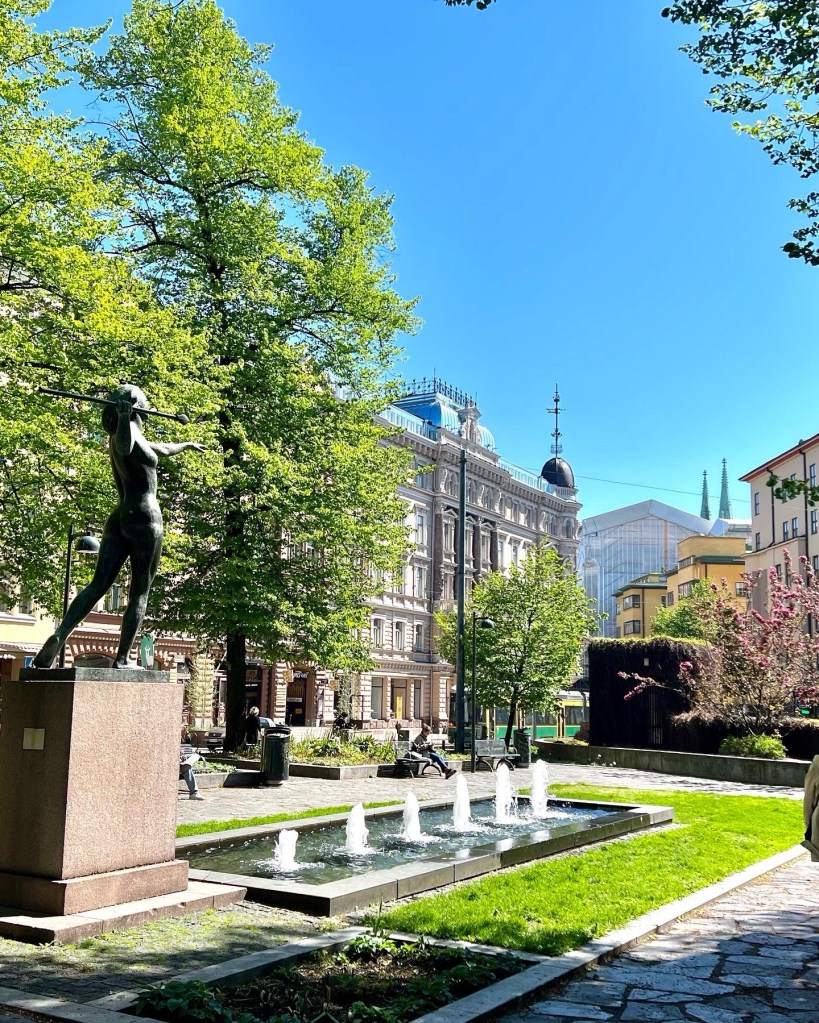
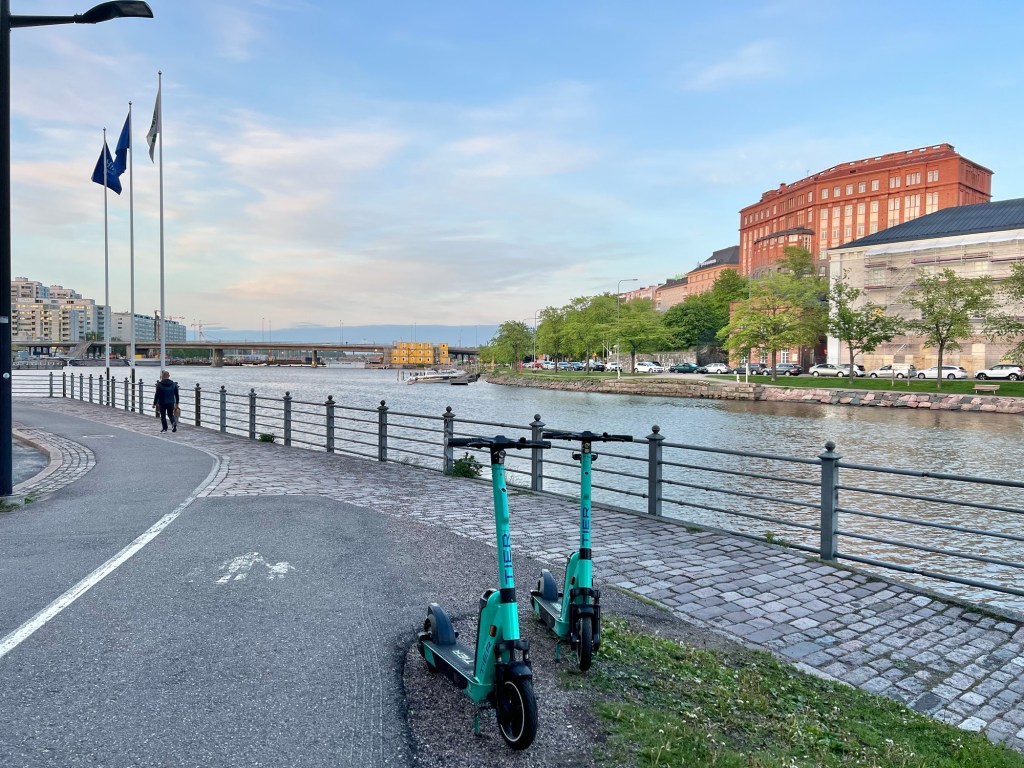


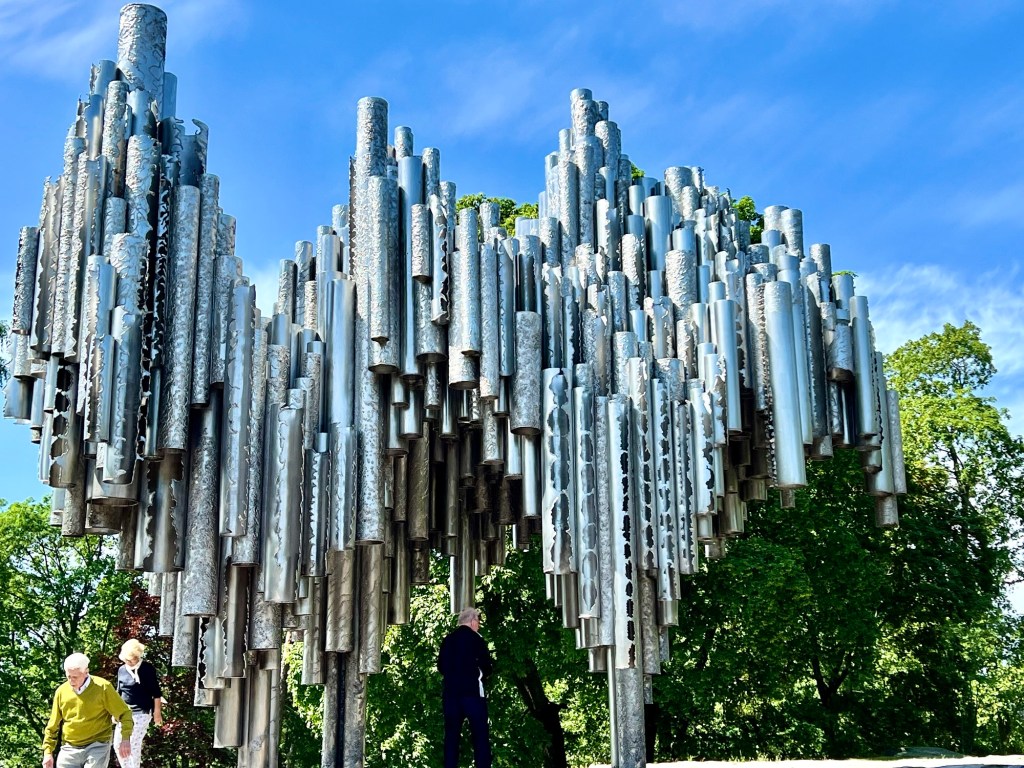
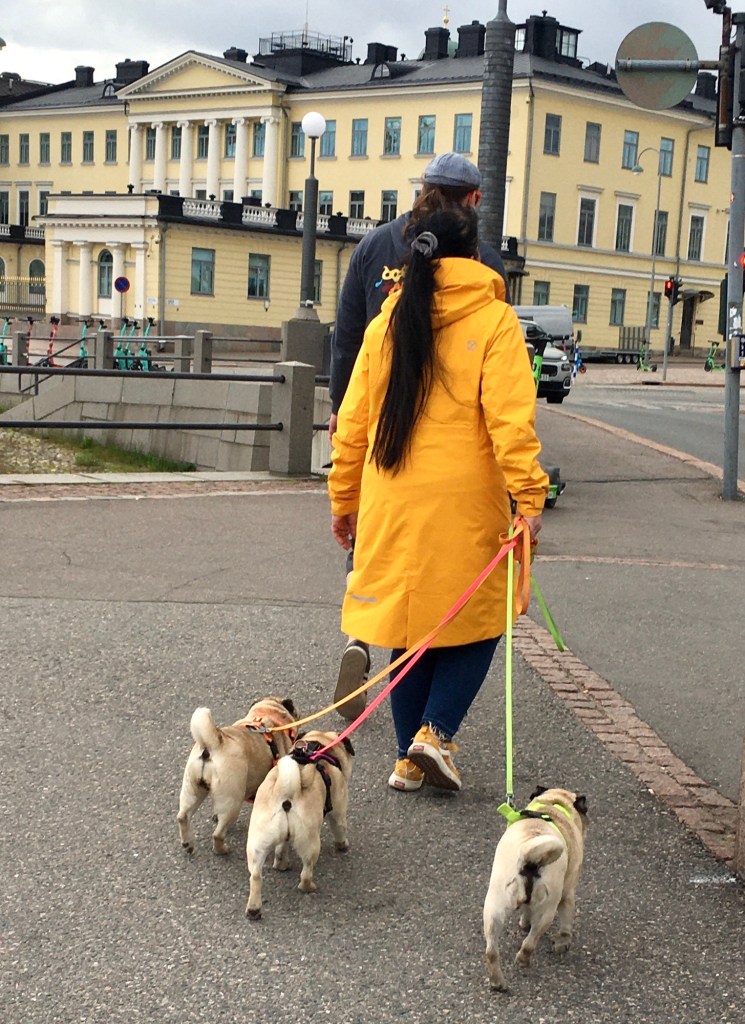
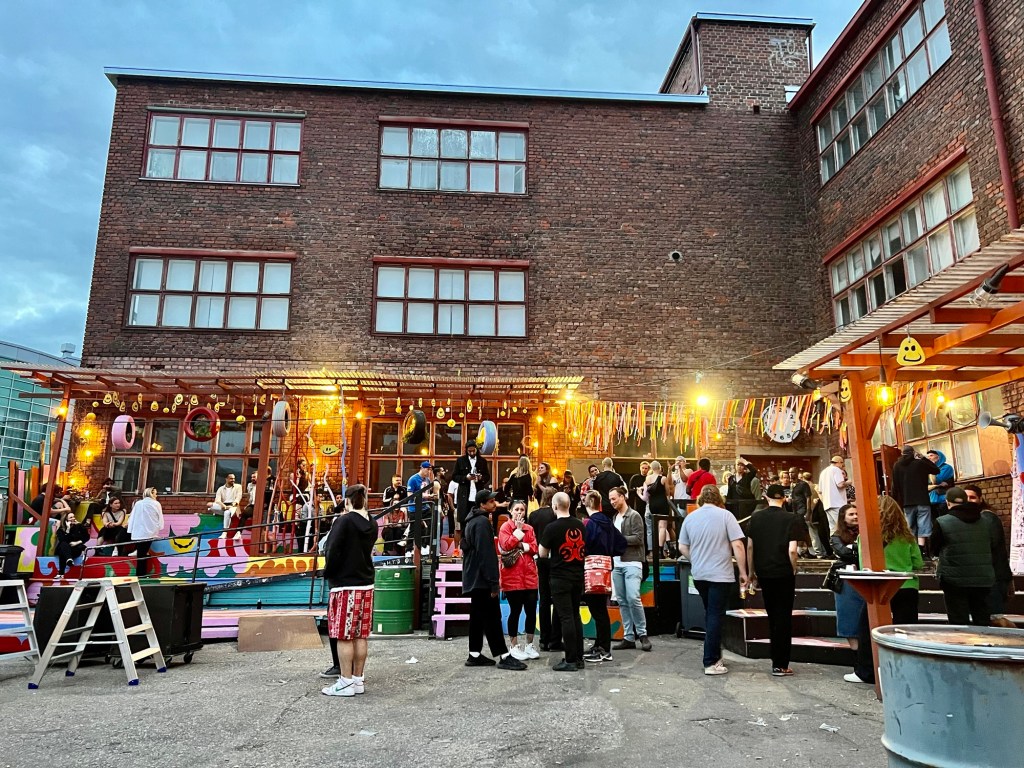

I made a few day trips, and a few overnights in Turku coming to/from Stockholm.
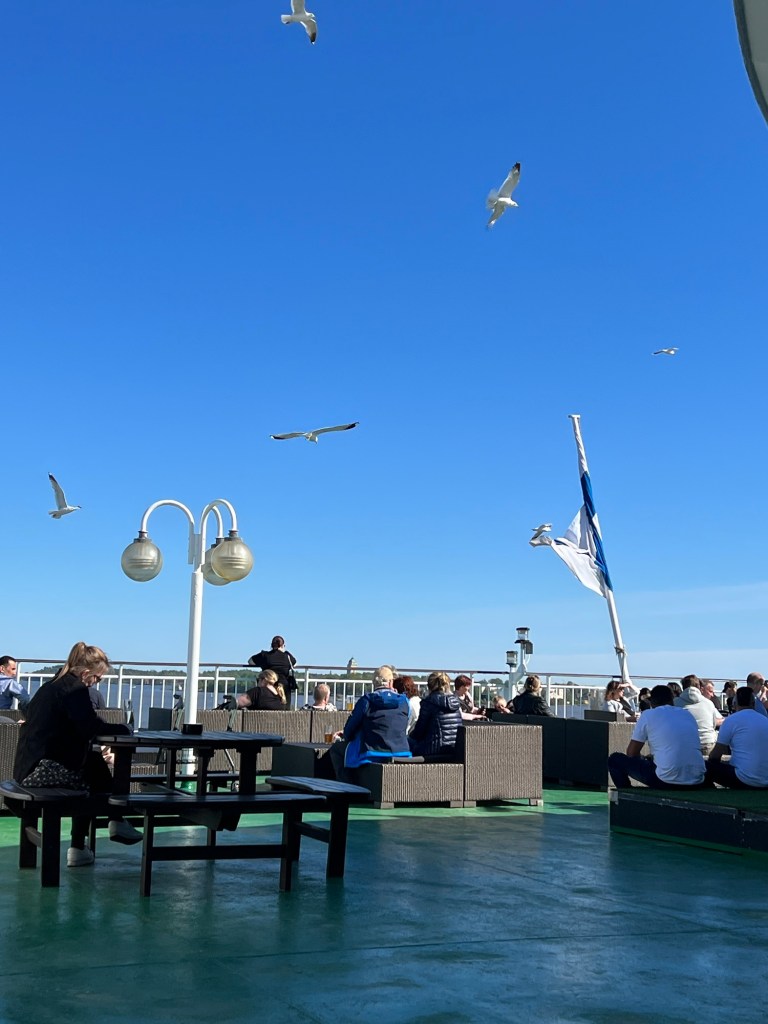

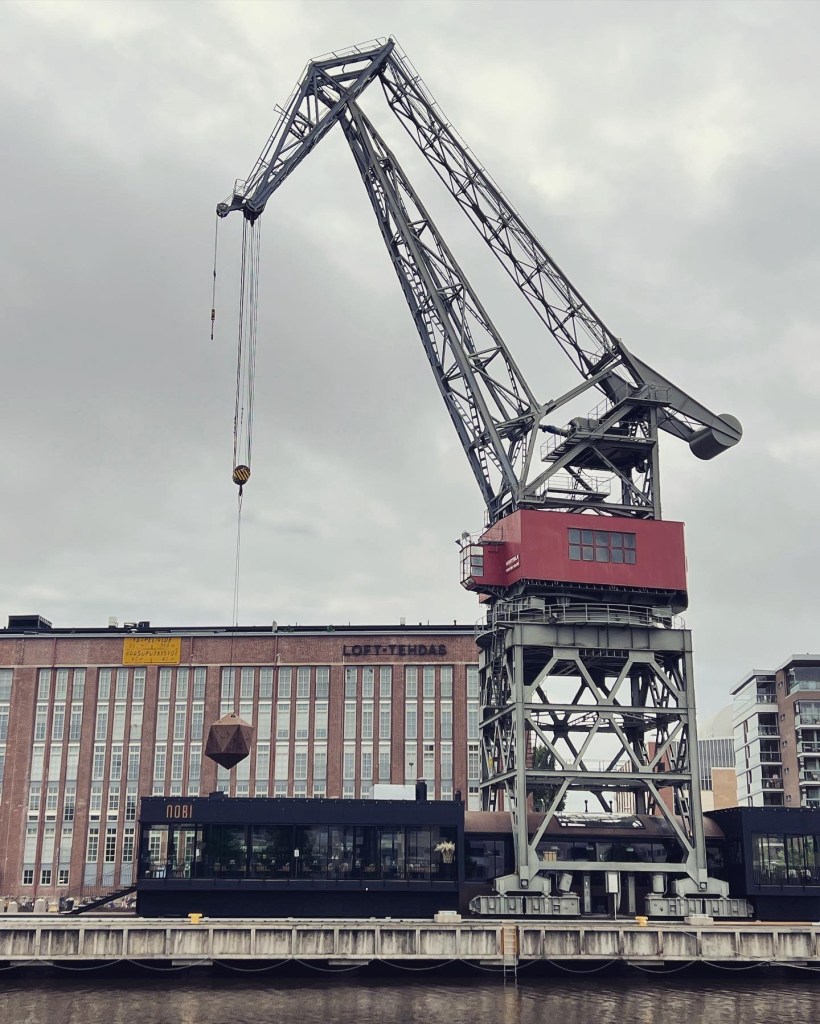


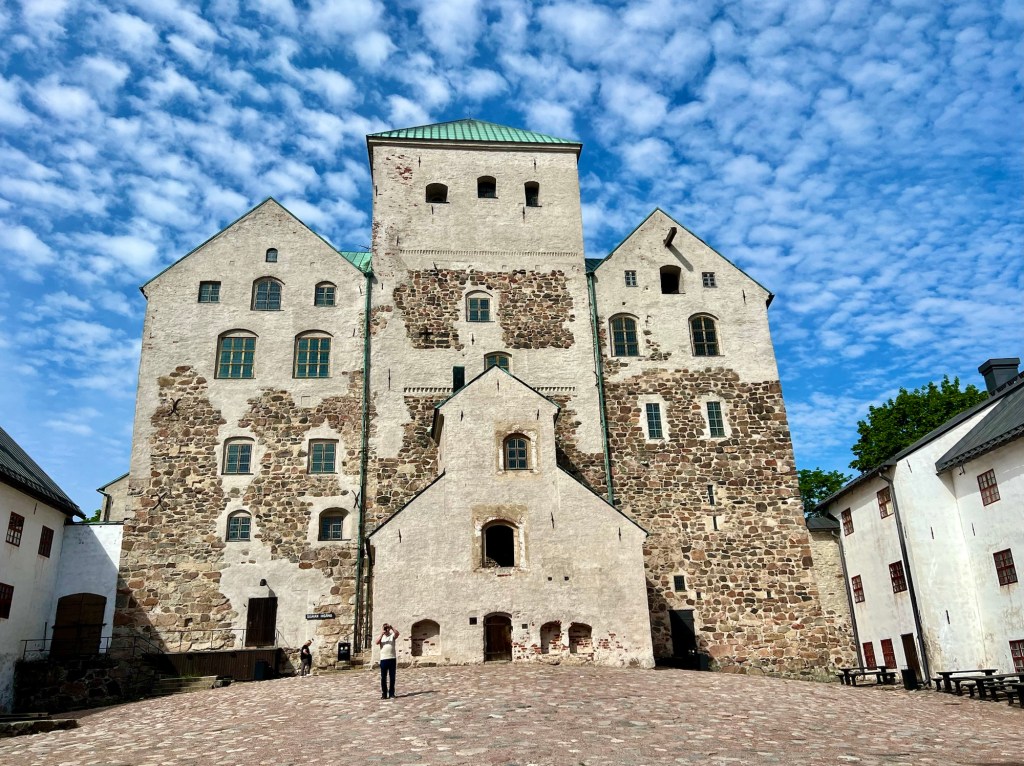
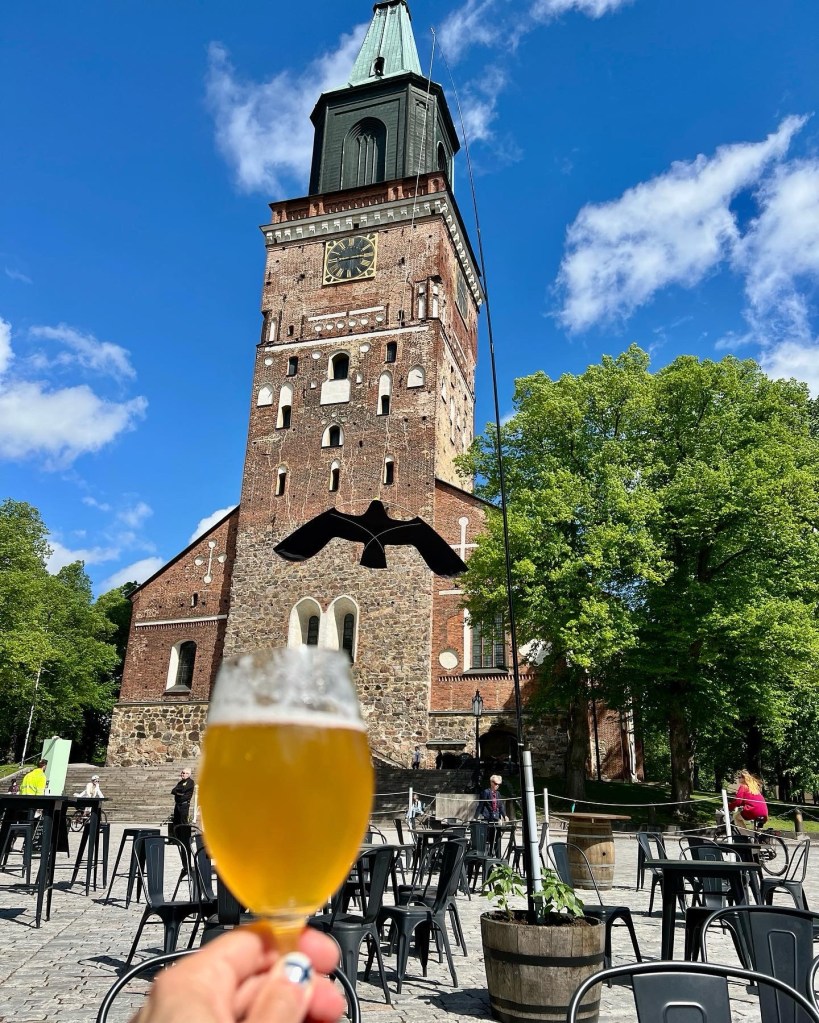

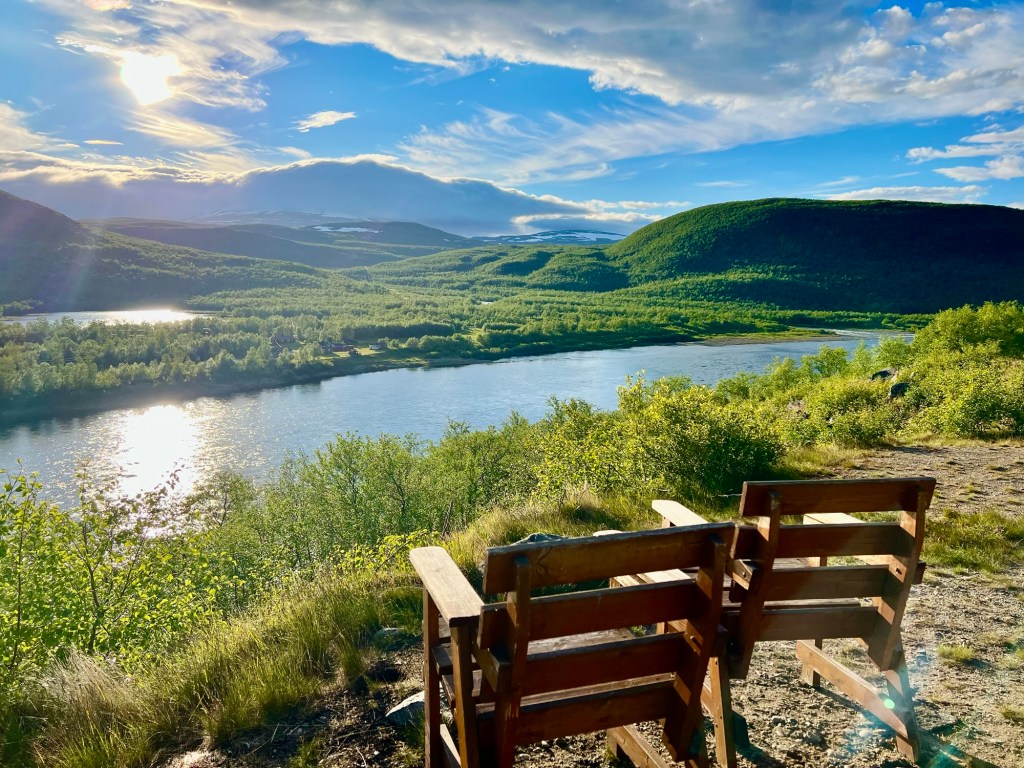
And for midsummer, the solstice, I booked a flight to the northernmost airport in the country: Ivalo, in the heart of Lapland, where the sun does not dip below the horizon for two months.


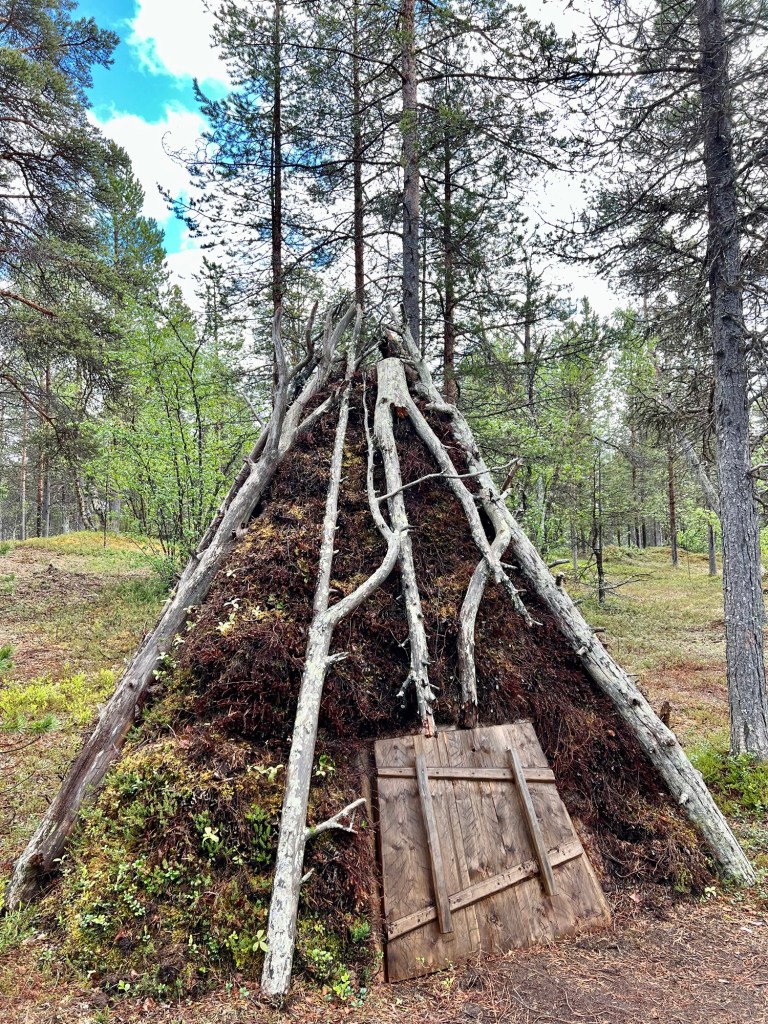
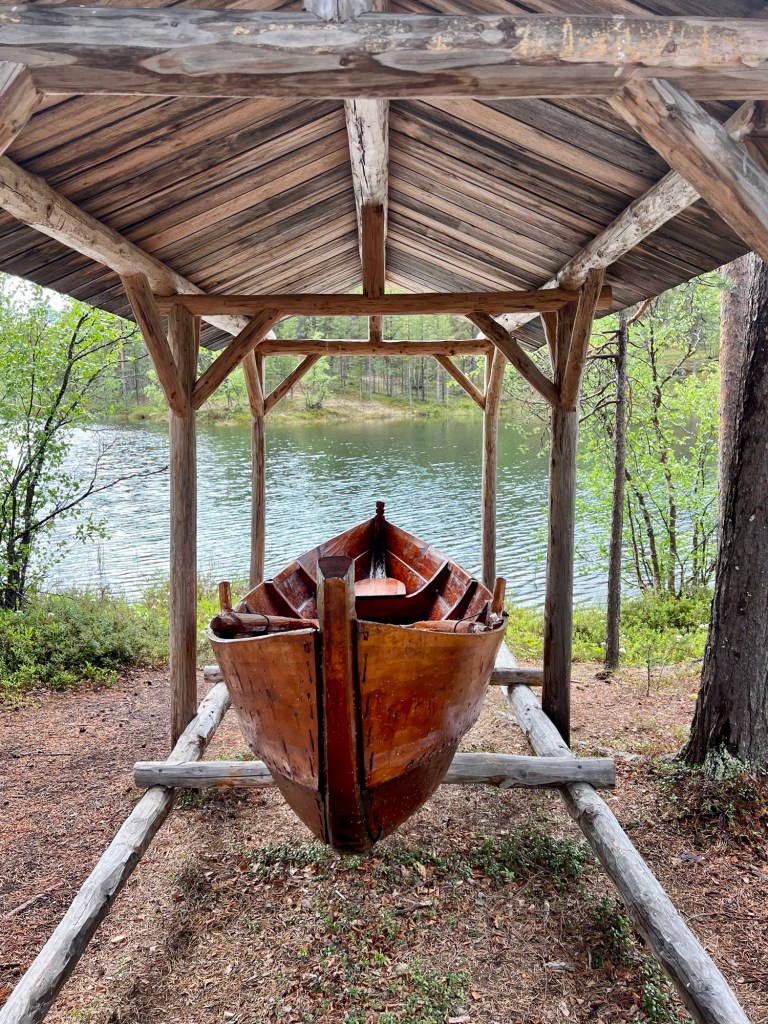

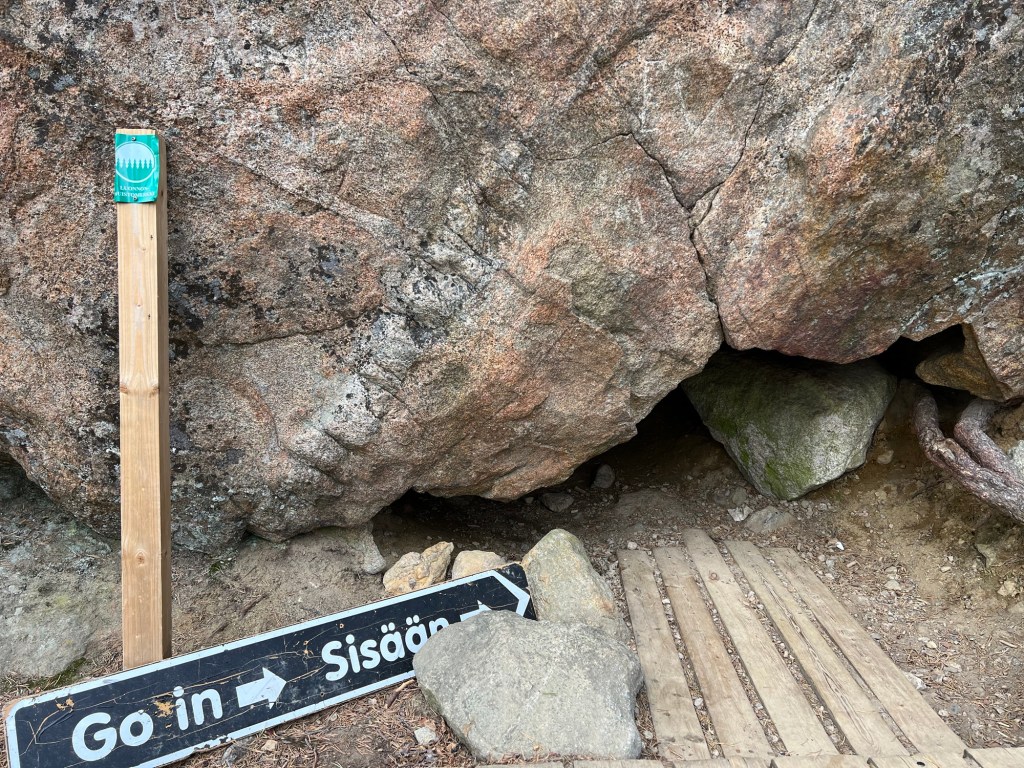

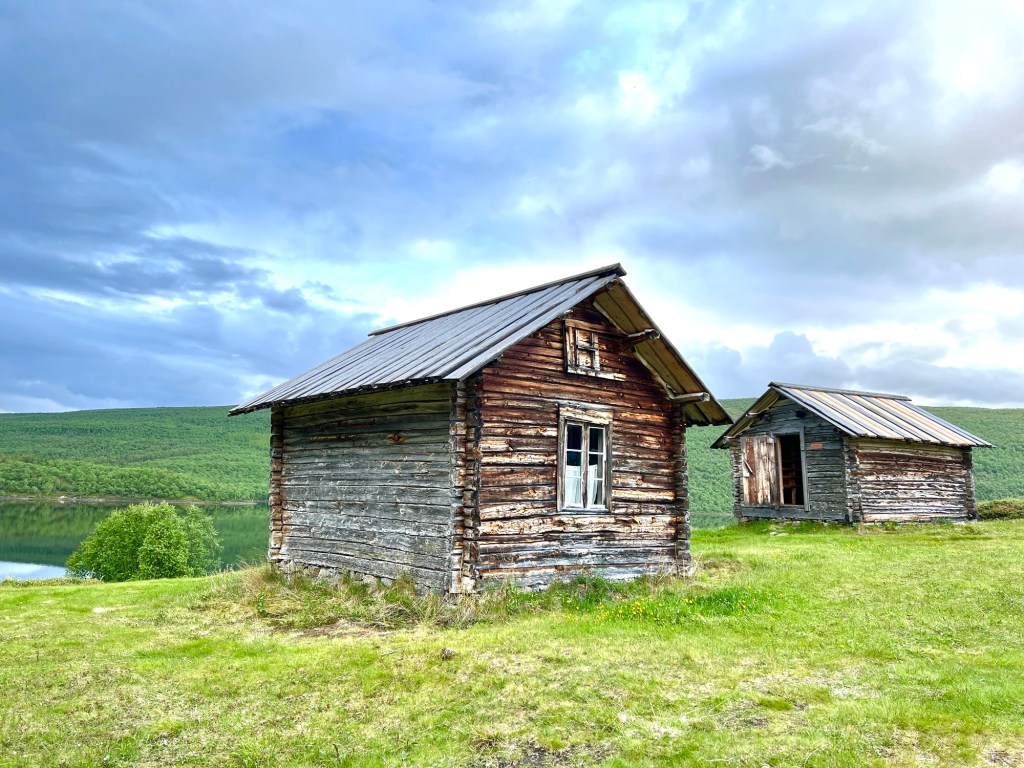


Ivalo is not just the farthest north you can fly in Finland; it’s the airport serving Inari, the official capital of the Sami nation, the only European indigenous group recognized as such by the European Union. Inari also happens to be a short drive from the Arctic Ocean and the borders with both Norway and Russia. In Inari, I stayed in a cabin on a river and drove to (but not through) both of those borders.

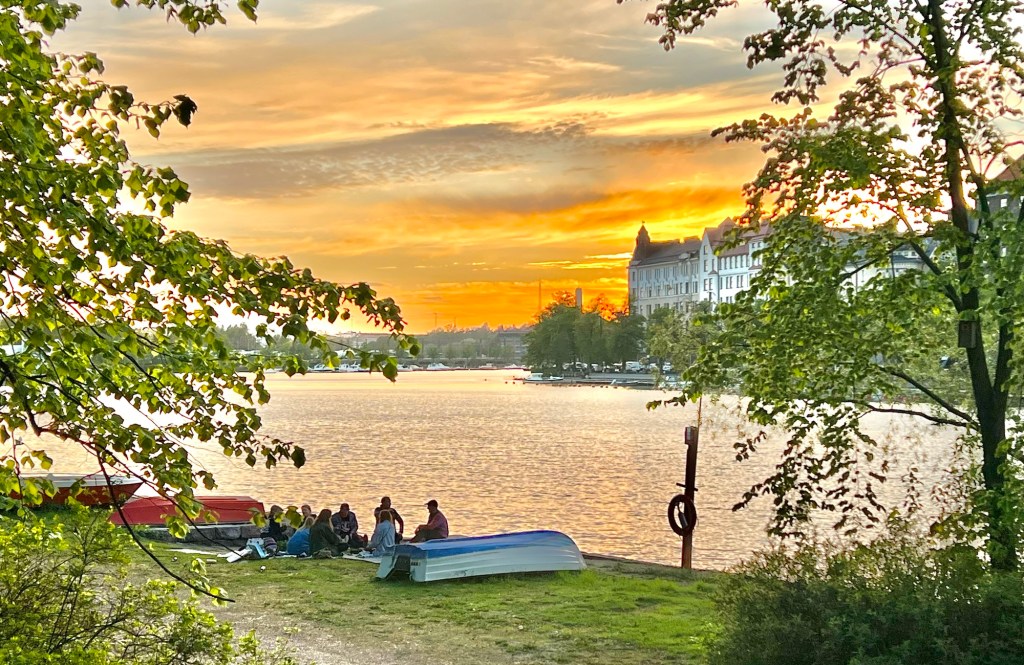
June in Finland was a delight—the weather was wonderful. Even in Helsinki, twilight lasted all night long, swirling hues of pink, periwinkle, and purple. Up in Lapland, I purposely went for a hike at midnight, returning at 2AM, the solar orb as up as I was.

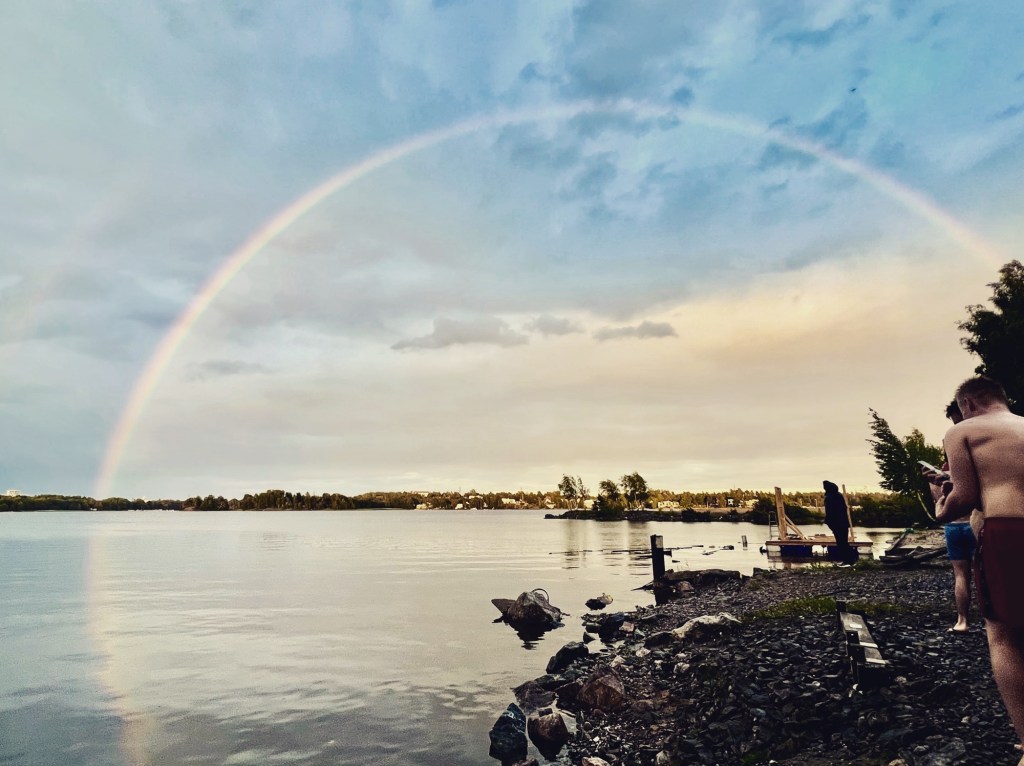
Sauna is deeply embedded in Finnish society; most private homes have their own little saunas and there are also public saunas. Some public saunas are upscale, indoors, and electrically heated. Some are the opposite: a ramshackle hut with a wood-burning stove strategically placed near a river or lake or the Baltic Sea. I tried both kinds, and much preferred the latter. However, the open sauna would have been intimidating had I not been with locals. In an open sauna, guests are responsible for tending the fires, even chopping the wood. They’re coeducational and crowded, and clothing is strongly discouraged. You sit sweaty ass cheek to sweaty ass cheek with naked strangers from all genders. It’s surprisingly relaxed and easy because Finns are relaxed and easy; I loved it. Everybody brings light beers or Long Drink, an old school Finnish cocktail-in-a-can that actually hits the spot. I jumped into the Baltic for the cold plunge and a rainbow broke out. It was really magical.

Food and Drink
Finnish food tends to be simple, fresh, farm-to-table fare. Since Finland is filled with lakes and rivers and surrounded by water, making fish is a mainstay. One of the national dishes of Finland is lohikeitto, salmon chowder. Lots of salmon. Lots of potatoes. Fresh herbs and a dash of cream.

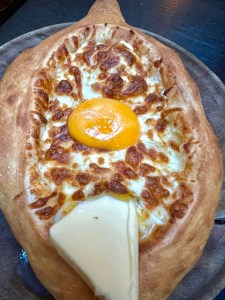
There were several Georgian restaurants in Helsinki. Yum.
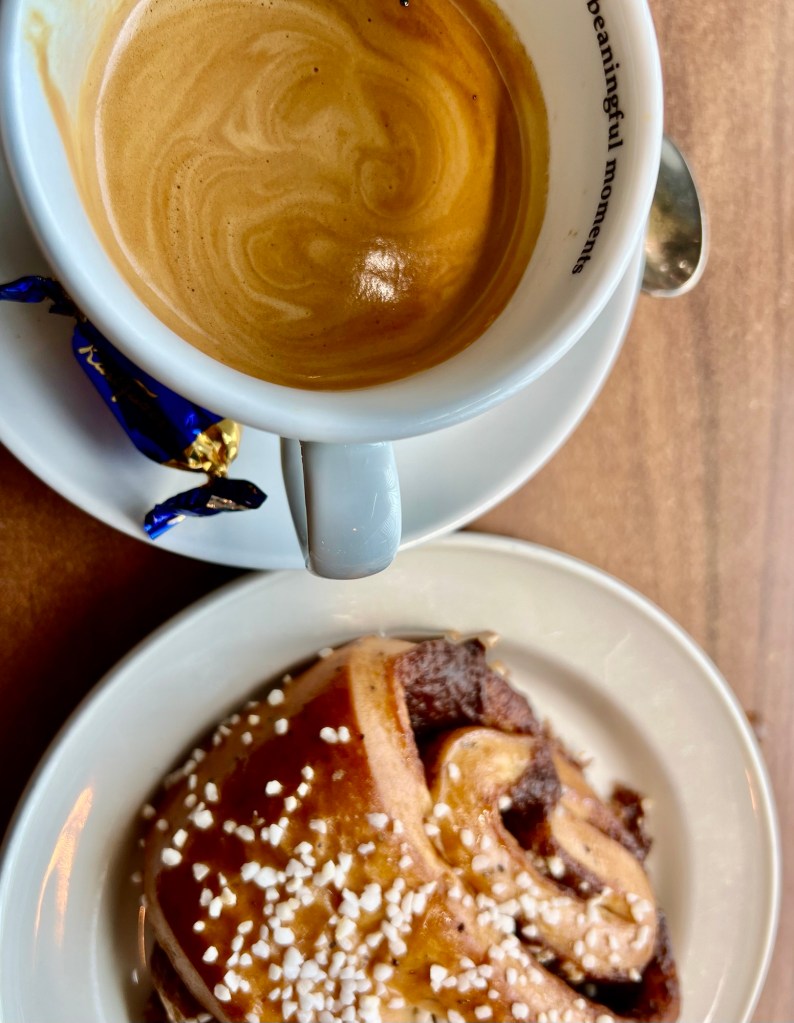
Finns drink more coffee per capita than anywhere else, with the tally being between 3-5 cups per person per day. Coffee quality is geek level, especially in urban centers, with lots of roasters and third wave baristas. The ubiquitous national pastry of Finland is the korvapuusti, a cinnamon roll that pairs well with coffee.
Craft Beer
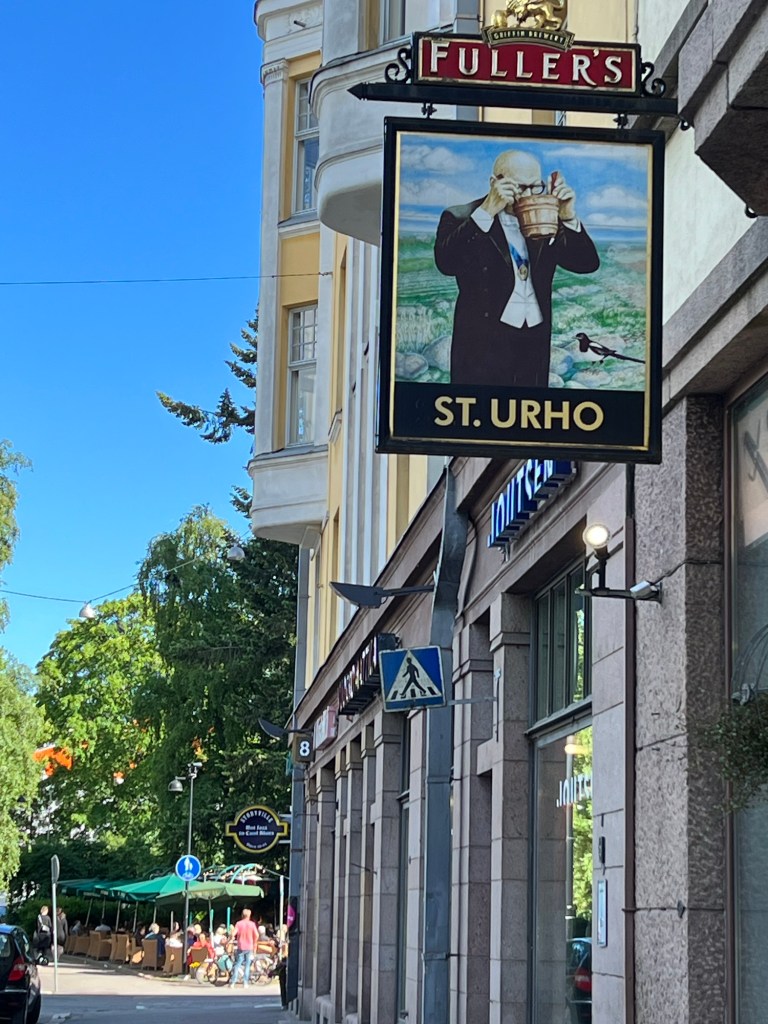
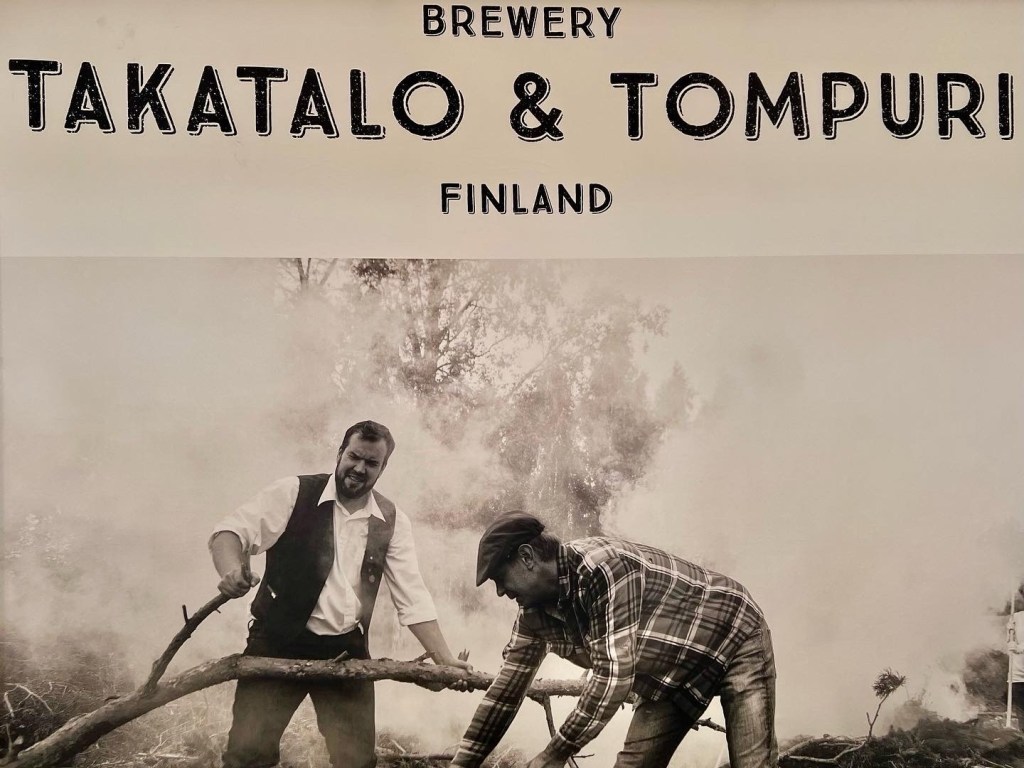

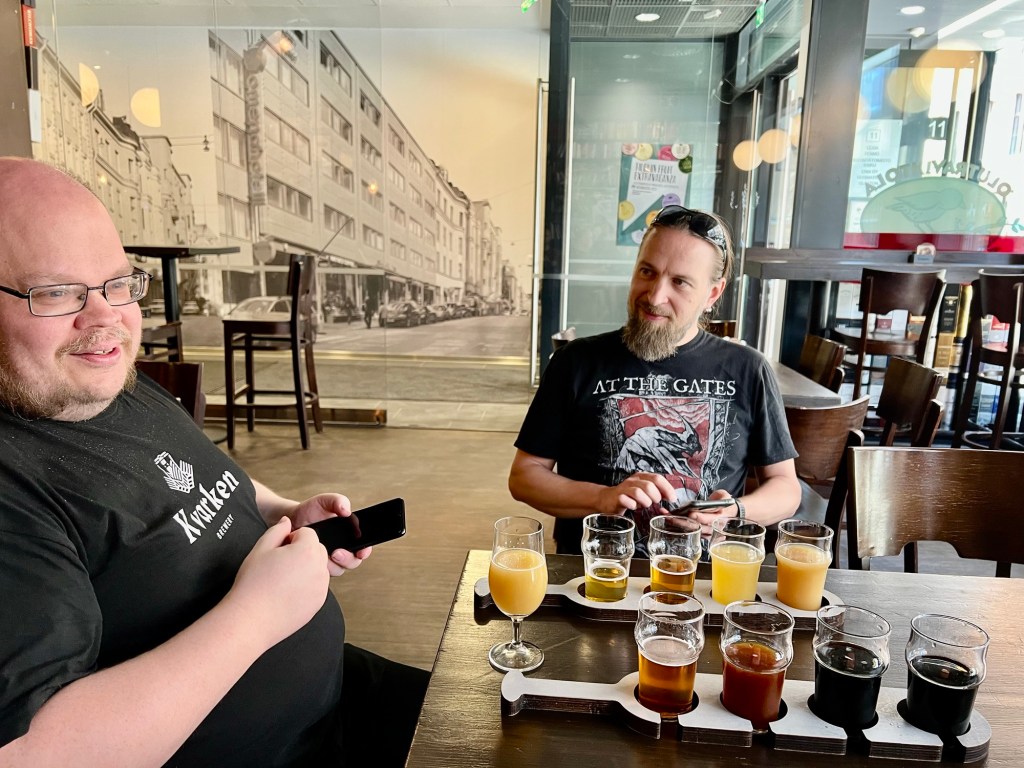


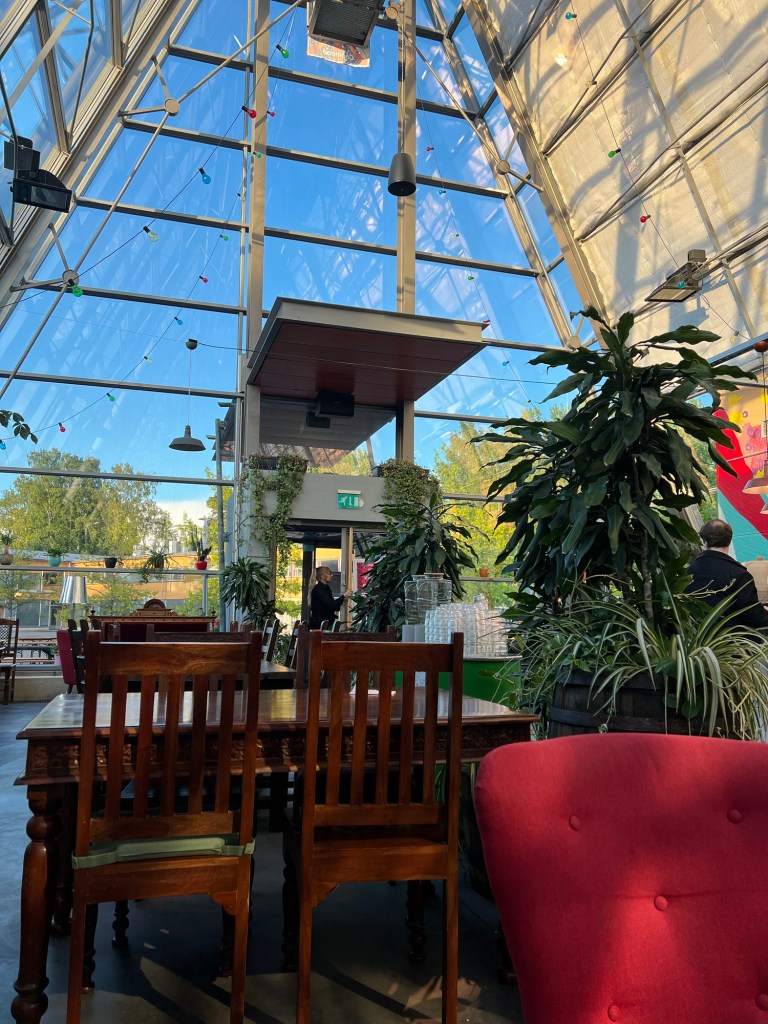
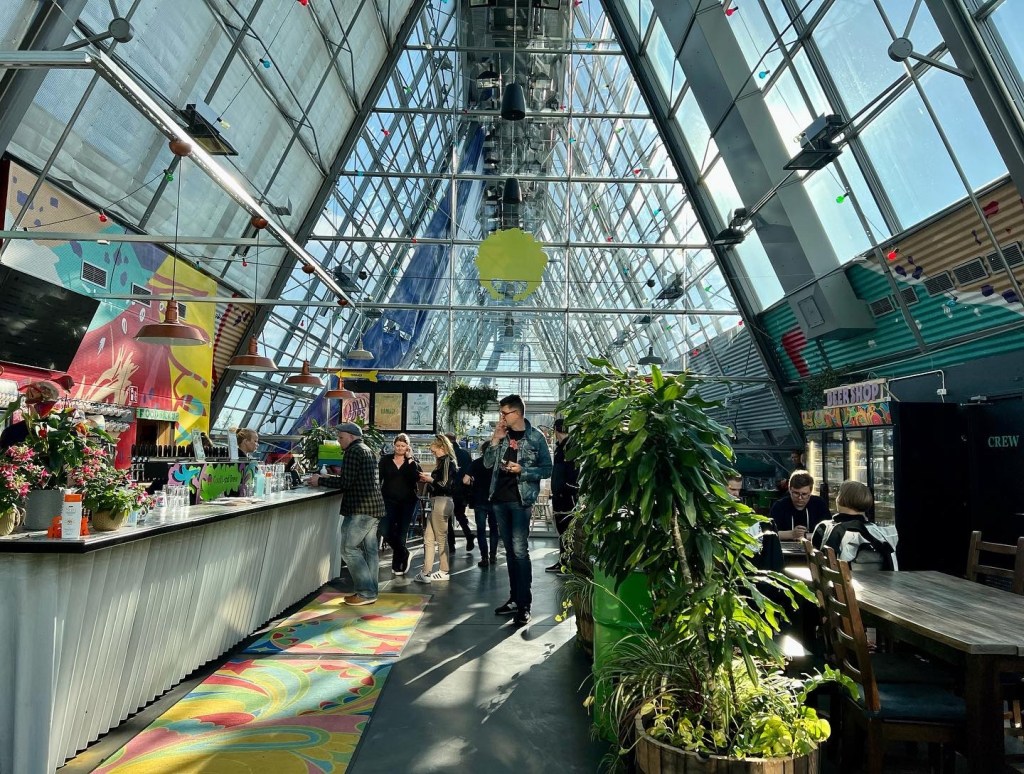
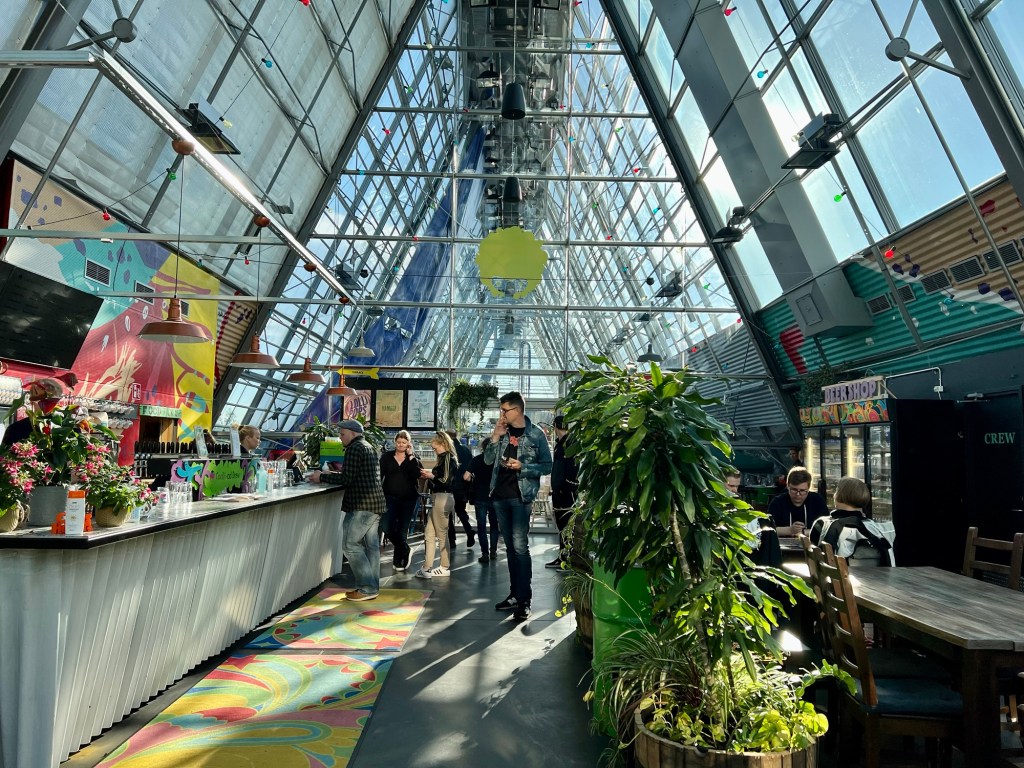

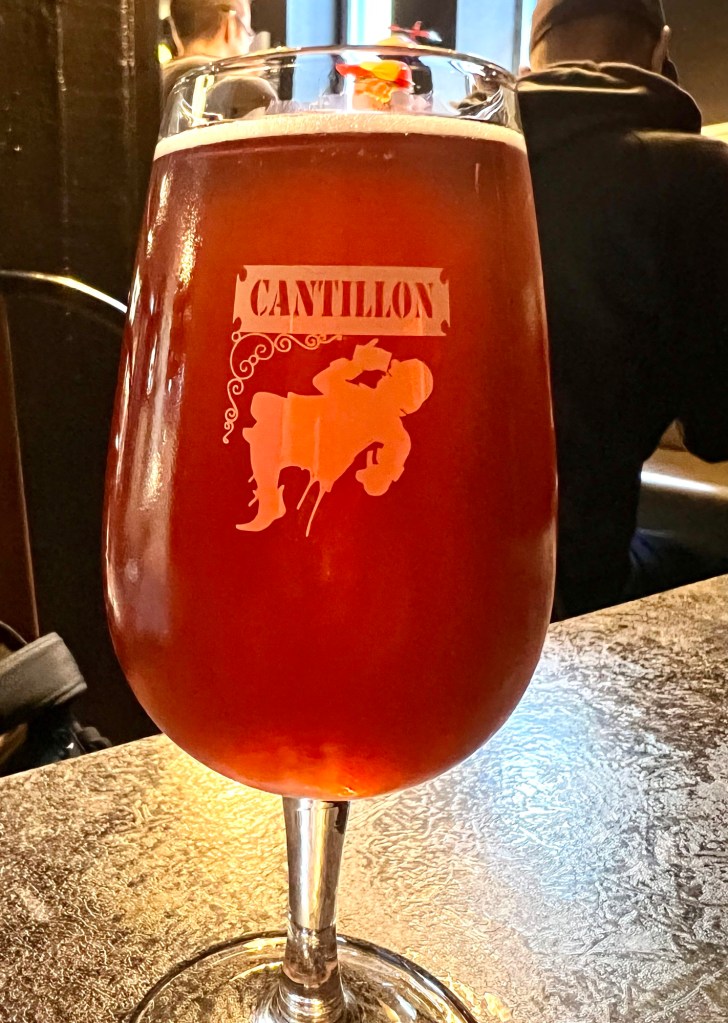

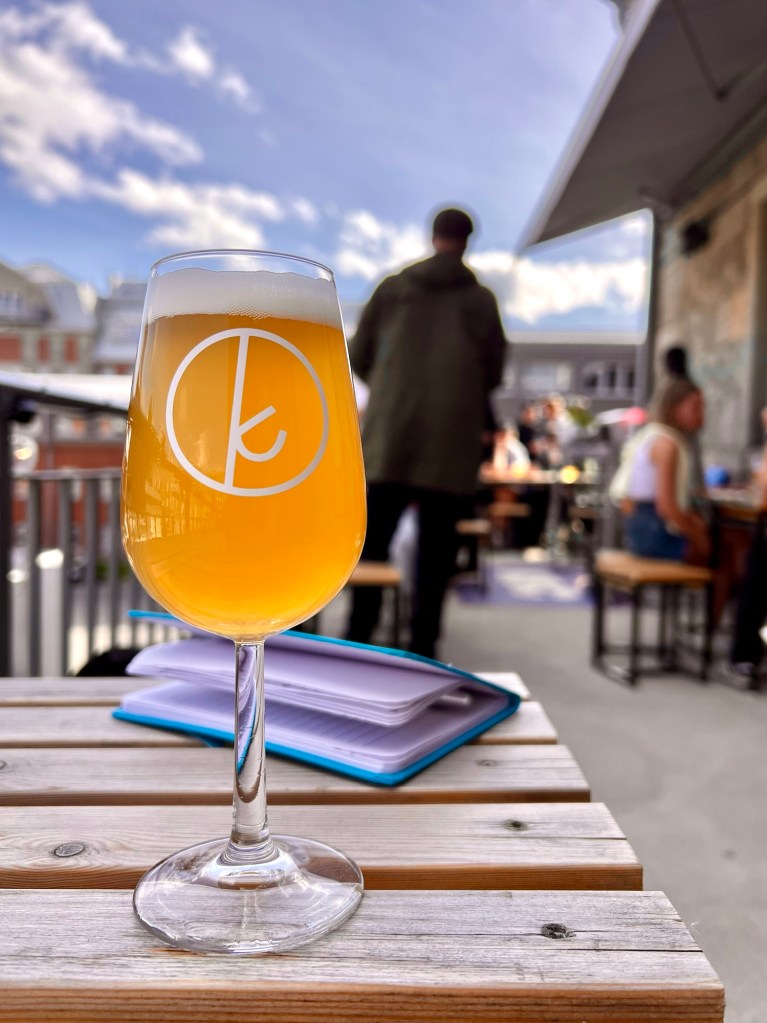
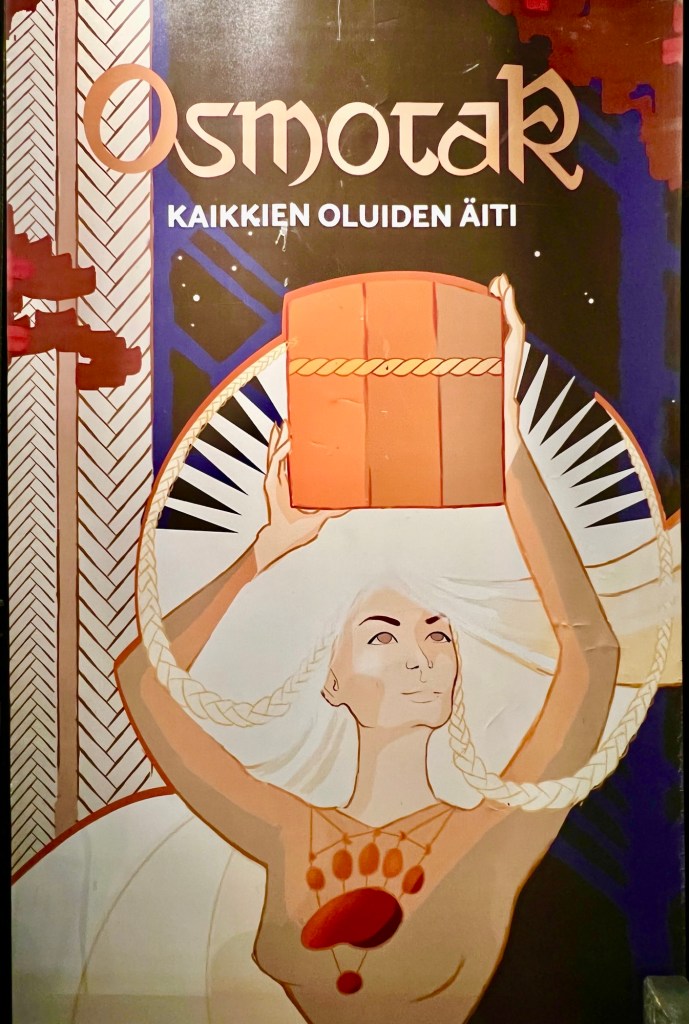
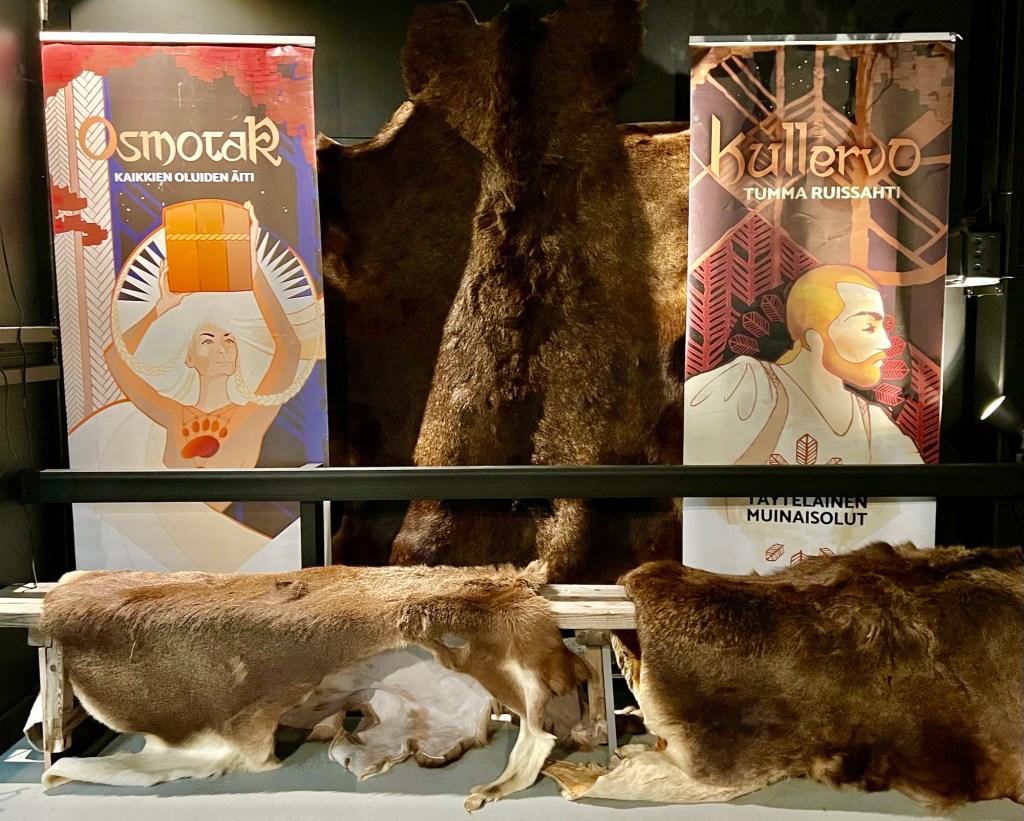
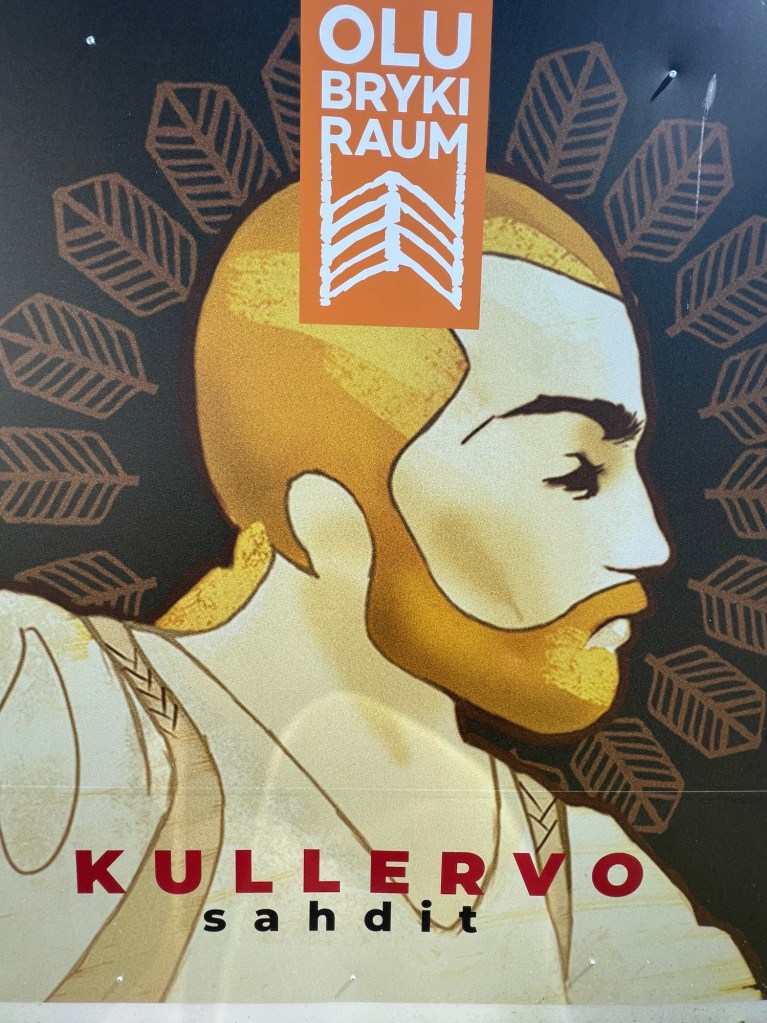
There are some quality craft brews in Finland, but serious beer geeks will want to focus on sahti. Sahti is Finland’s most important contribution to global beer culture. It’s an historic farmhouse ale, almost always rustic and strong. Ingredients vary, but the primary fermentable is grain, albeit a large percentage of the bill is unmalted and untoasted. Wild herbs and foraged berries, most commonly juniper, are crucial in sahti. Hops aren’t endemic and so don’t make their way into sahti. Sahti quality varies. The mass-produced varieties found in supermarkets taste like what they are, and likewise, artisanal sahti like Rauma can be complex, intriguing, and dangerously drinkable.




UNESCO sites
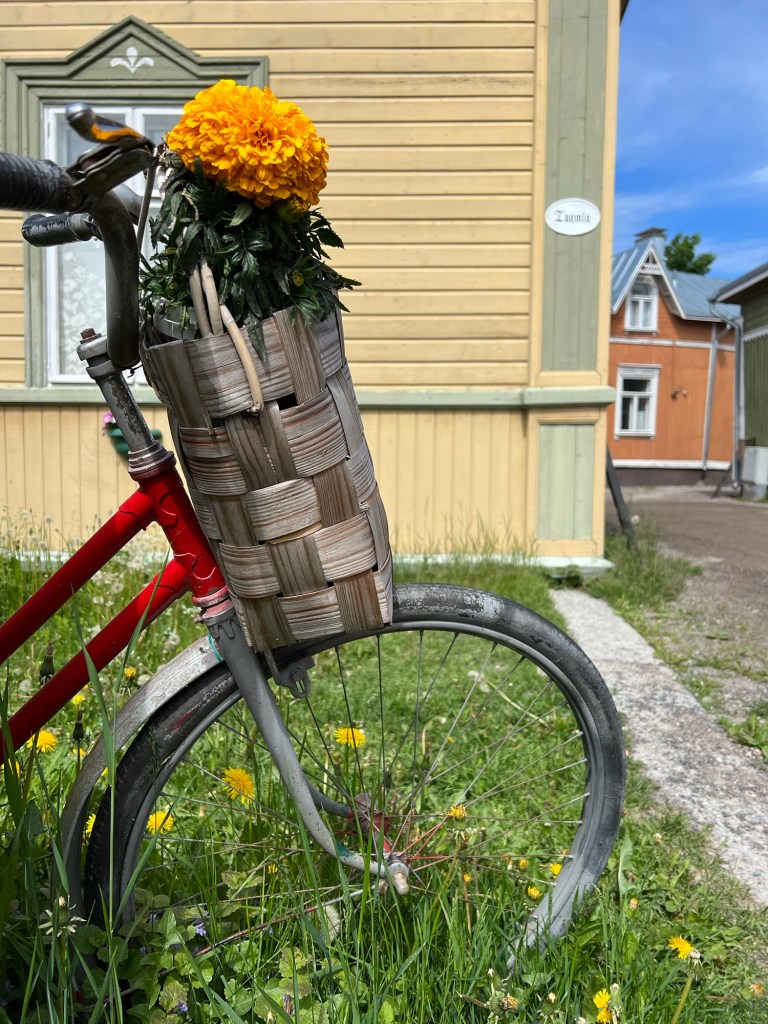
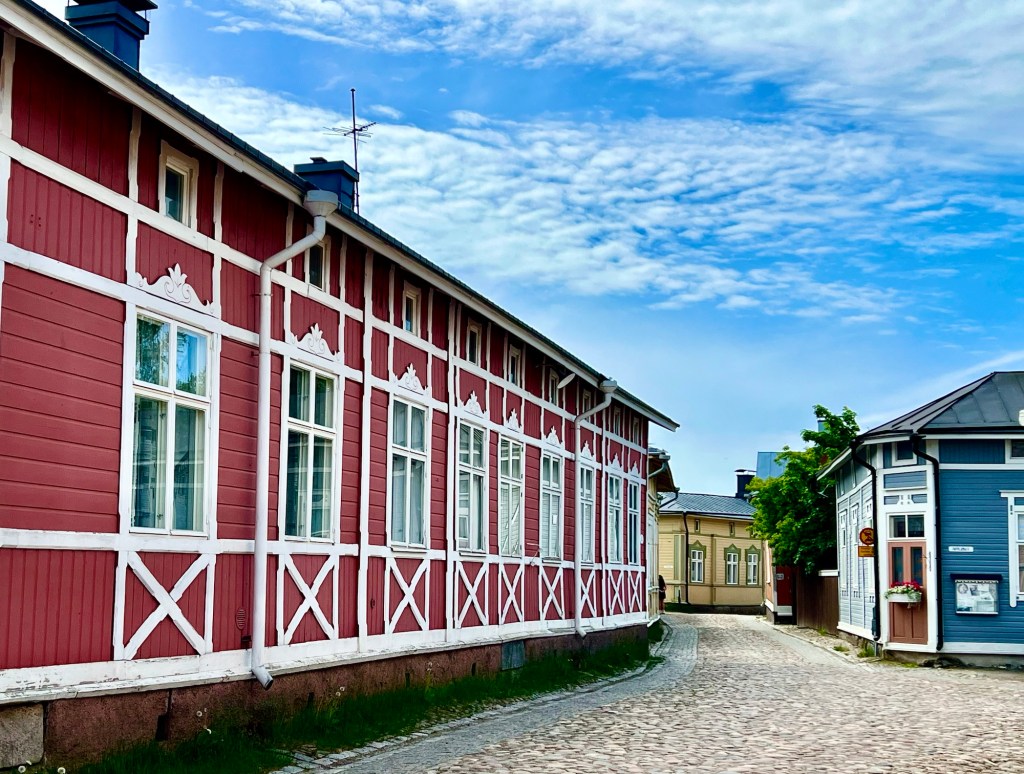
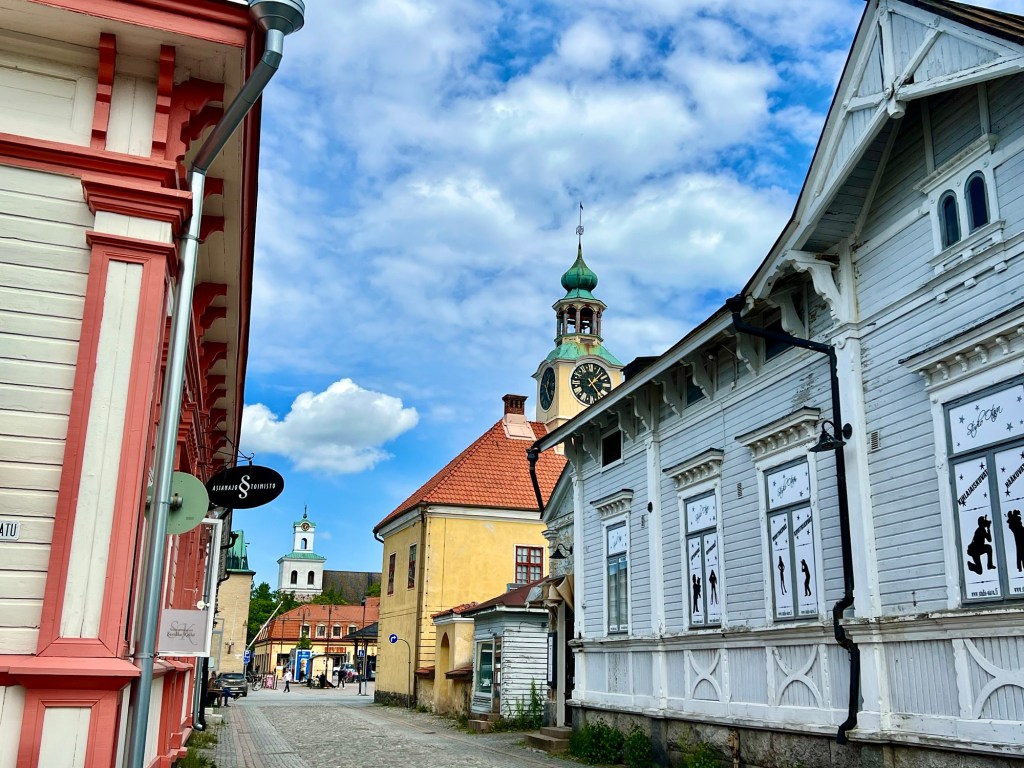
There are a few UNESCO sites in Finland, and I got to visit two of them. One is an island off Helsinki, Suomenlina. The other is the old town of Rauma, which happens to be the home of one of the best artisanal sahti brewers.


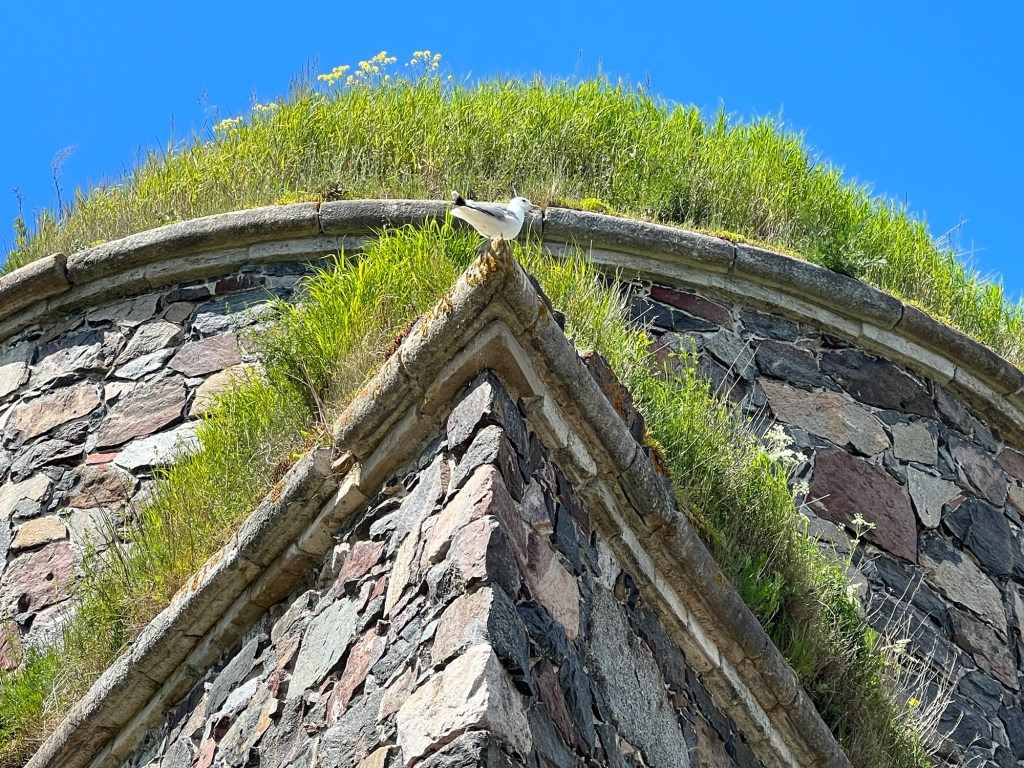
This trip was taken in June 2022.
I look forward to visiting Suomi again, reconnecting with the people, and exploring new places.
 Love and Barley
Great post Sunshine! Glad to see you’re using your mad skillz once again! 🤩😘
LikeLike
Thanks for the feedback. Finland etched itself into my soul, it felt nice to finally share my impressions 🙂
LikeLike